01What is monitored in mode 4 charging
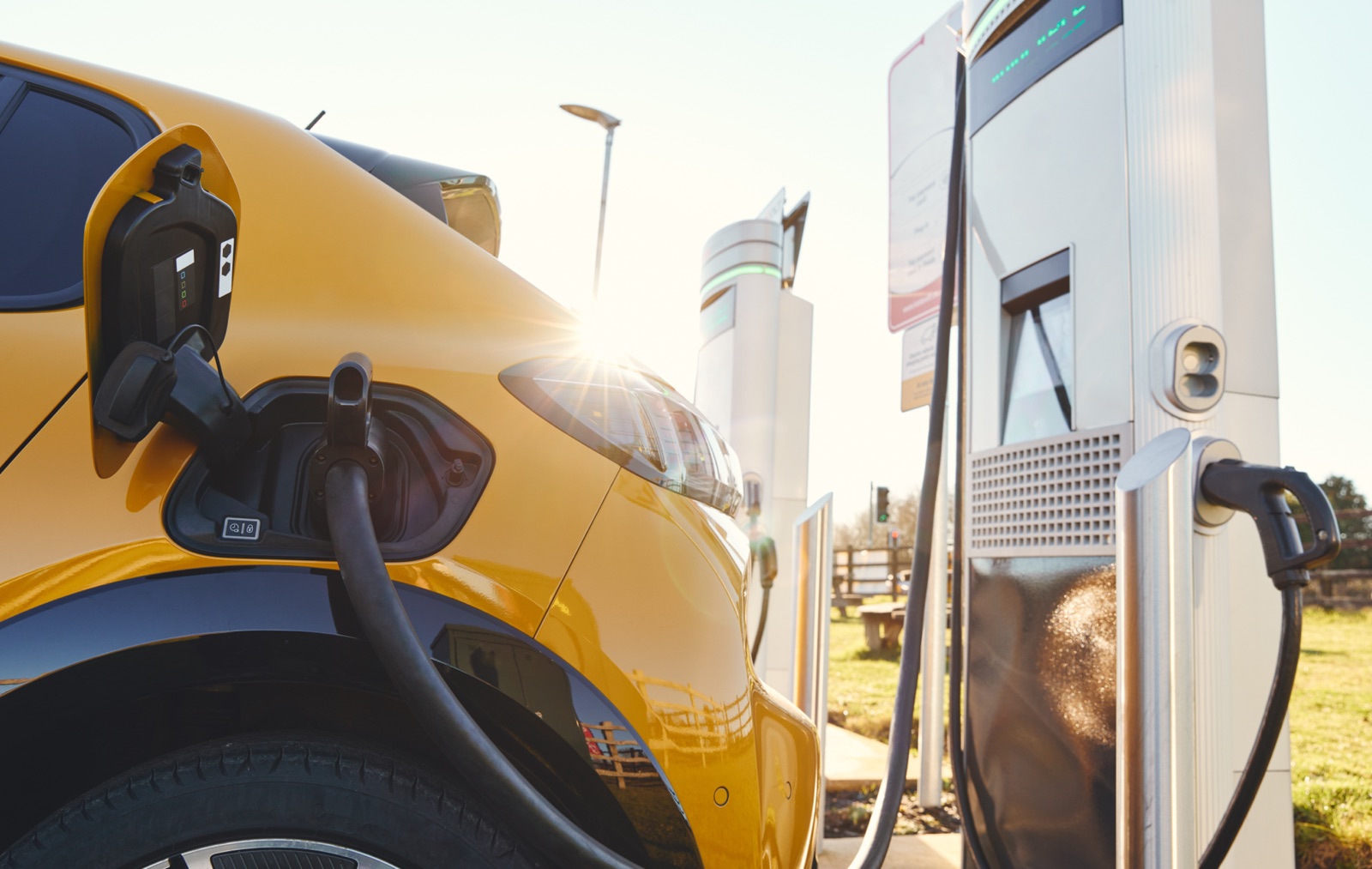
In mode 4, the station supplies the vehicle with direct current. In the unearthed DC charging circuit, the main task of an insulation monitoring device, or IMD, is to monitor insulation resistance. Fault assessment conditions can differ between CCS and CHAdeMO applications, so the monitoring arrangement must be considered alongside the charging standard. Defining the station's electrical architecture and charging method at the start of a project helps identify the appropriate product family. Selection therefore considers the circuit being monitored as well as charging power.
02Assess the IMD and coupling device together
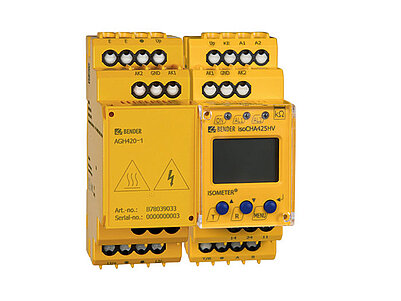
The isoCHA425HV connects to the DC charging circuit through an AGH420-1 or AGH421-1 coupling device. Selection must check the coupling device, operating mode and circuit conditions together. For example, in stop mode, disconnection from the monitored system in addition to stopping measurement is specified with the AGH421-1. The two coupling options should therefore be assessed by their functions. Check connection conditions and parameters against the datasheet and installation documents for the chosen set, and record the selected arrangement in the project documentation.
03Designing the link to charging control
The station design must define how it will use the insulation alarm information. The isoCHA425HV provides relay outputs and communication options over RS-485. Prewarning, alarm thresholds and delays should be planned alongside the station's control sequence. The project team should define which information reaches the controller, the action following a fault and how that action will be checked during commissioning. Assess system leakage capacitance and the charging mode as well; a catalogue response time or threshold should be applied within its stated operating conditions.