01Monitoring insulation in the drive system
Insulation monitoring is one of the monitoring functions used in the electrical safety design of electric and hybrid vehicles. Bender's vehicle application covers passenger cars, racing and commercial vehicles. When selecting a solution for a vehicle class, start by defining the drive system architecture. Clarifying the circuit to be monitored, its operating states and the information exchanged with vehicle control at the beginning of the project provides a concrete basis for assessing how the sensor fits the vehicle architecture.
02Measurement with the HV system de-energised
The iso175's active measuring method allows insulation measurement while the monitored high-voltage system is de-energised. Correct measurement requires the specified low-resistance connection between the high-voltage poles. Measuring duration depends on insulation resistance, system leakage capacitance and the selected measuring profile. When planning the start-up sequence, define both the measurement request and how the result will be used. This includes the result's validity status and the point in the sequence at which vehicle control will act on that information.
03Selecting for the vehicle platform
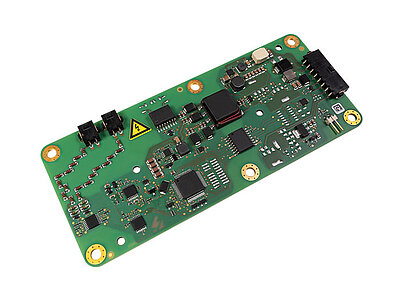
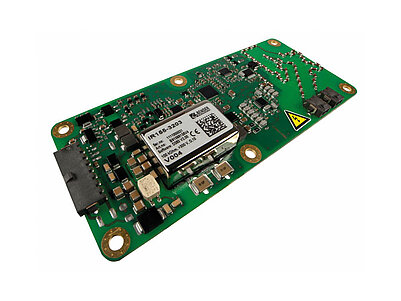
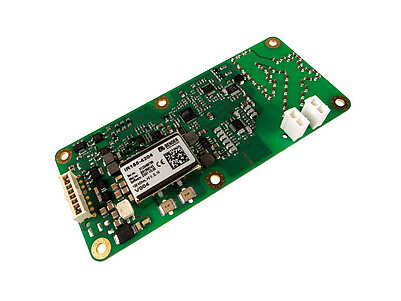
Assess the sensor supply, monitored voltage system, leakage capacitance conditions and mechanical connections together. The iso175 family offers CAN communication and connector options, so compatibility with the vehicle controller must be checked for the selected variant. Include the firmware version when assessing available functions. Options within a product family need to be evaluated for each vehicle platform. Comparing them against the application's requirements helps establish thresholds, communication settings and mounting choices before ordering.